You send a photo to the family chat. Someone replies, someone adds a heart, and the conversation carries on. That already does something useful: everyone gets to see what's happening.
So why send the same photo on a postcard?
Because a printed copy gives the person another way to enjoy it. They can put it on the fridge, stand it beside their desk or keep it with other family photos. The photo doesn't need to be new to them. You might simply want them to have a copy they can hold.
A postcard doesn't have to replace a text, prove how much you care or turn an ordinary day into a special occasion. It can be an extra way to share something. Here are some situations where that makes sense, and a few where another kind of message is more useful.
When you'd like them to have the photo, not just see it
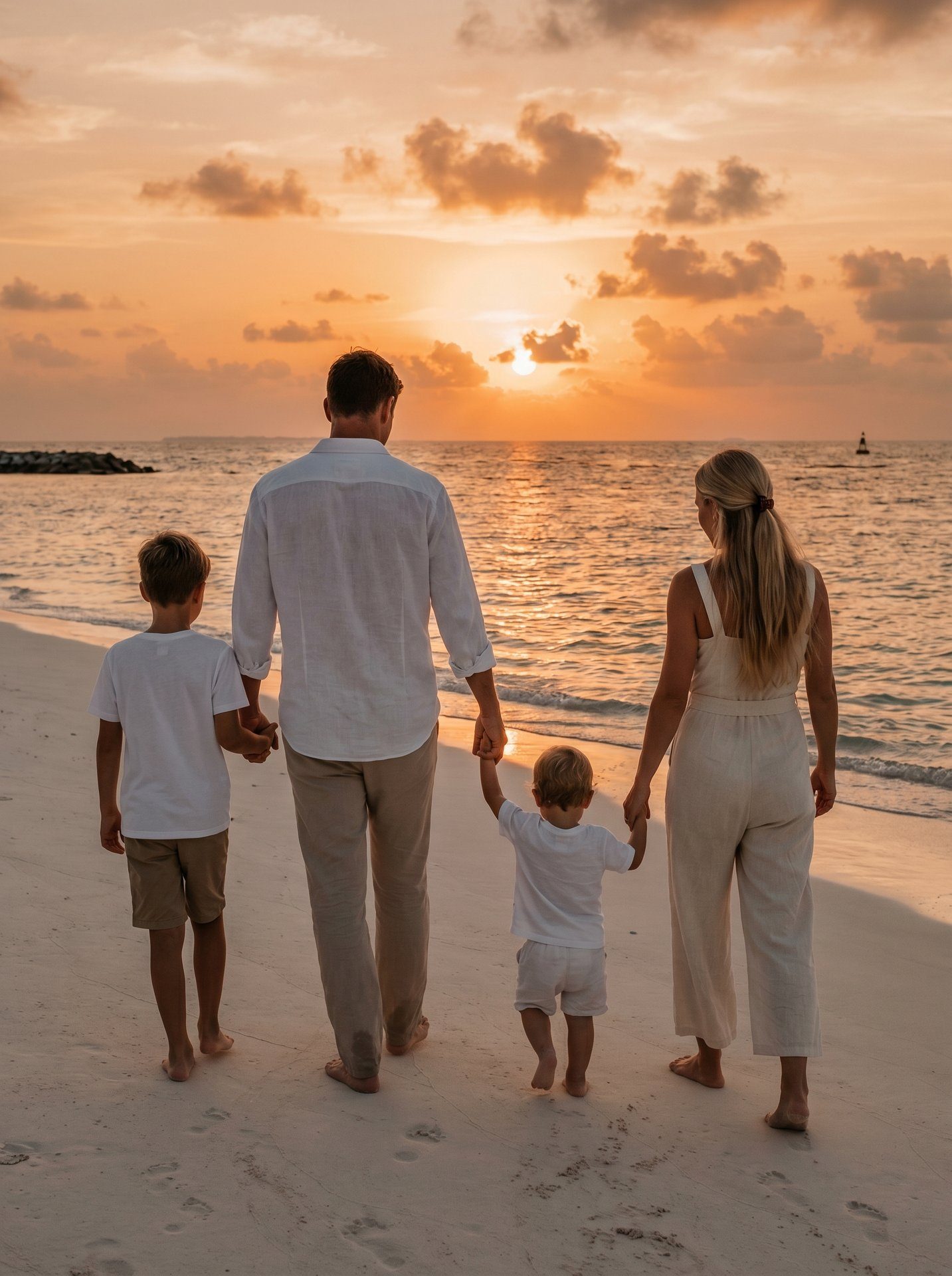
Think of a photo you'd quite like someone to print: the children with their grandparents, a good picture from a walk together, or the dog looking unusually cooperative.
Sending it on a card gives them that printed copy. A note on the back can say where you were, what was happening or why you picked it. They don't need an elaborate story to go with it.
Invented example, to grandparents:
Hi Grandma and Grandad. You saw this one on the family chat, but I thought you might like a copy for the fridge. It was the only photo from our walk where everyone was looking roughly the right way. We're all doing well. Lots of love, Emma, Ben and the boys.
The useful part is straightforward: they get a photo you chose for them. Whether they display it, put it in a drawer or pass it around is up to them. You don't need to predict a big reaction to make sending it worthwhile.
When you're at home and still have something to share
Travel is one reason to send a postcard. It isn't a requirement.
A new flat, something growing in the garden, a wet Sunday walk or a pet asleep in an inconvenient place can all give you a photo and an update. These are the things you might mention if the person popped round for a cup of tea.
Invented example, to a parent:
Hi Mum. Here's the living room now we've finally unpacked the last few boxes. We moved the sofa again and I think it's staying here this time. Work's going well and we're getting to know the area. There's a nice bakery round the corner, which is dangerous. Hope you're both well. Love, Alex.
You can send a card from a place the recipient already knows, too. A familiar view in a different season or a photo from your regular walk doesn't become less suitable because it wasn't taken abroad.
For more help with the words, our holiday postcard examples show how a normal update can be a complete message.
When a pet photo is the whole reason
Some people would be very happy to receive another picture of your dog. You probably know who they are.
There doesn't have to be a birthday, a holiday or a clever joke attached. You can explain what the pet has been doing and include your own news if you want to.
Invented example, to a friend:
Hi Jo. Sending you the photo of Alfie I mentioned. He came on our walk on Sunday and spent most of it trying to carry a branch that was much too big. Apart from that, not much news here. We're both fine and the garden is mostly mud. Hope things are good with you. Love, Sam.
The message doesn't have to make every detail about your friendship. Sometimes “I thought you'd like this photo” is the actual reason, and that is enough.
When someone lives far away
If a parent, grandparent or friend lives elsewhere, a card can show a small part of your current life: the outside of your new home, the place you walk, or the people you spend time with.
Choose something they would recognise or be interested in, rather than assuming the most impressive photo is the best one. A picture of your kitchen might tell them more about your week than a skyline does.
That doesn't mean people who live nearby can't receive cards. Distance gives you one reason to send; it isn't an eligibility rule.
For messages to different family members, see our guide to postcards for parents, siblings and grandparents.
When you'd like to say hello without waiting for an occasion
You don't need to collect enough news to justify getting in touch. A card can be a normal update from someone they know.
Invented example, to an old friend:
Hi Kate. How are you? We're doing well. I've started swimming again and the kids are back at school, so things feel a bit more settled. This is the park near our house. We end up here most weekends. I thought you might like to see where we spend so much of our time. Lots of love, Hannah.
A shared memory can be lovely when it comes naturally. It doesn't need to appear in every card. Neither does a joke, an emotional ending or an apology for not writing sooner.
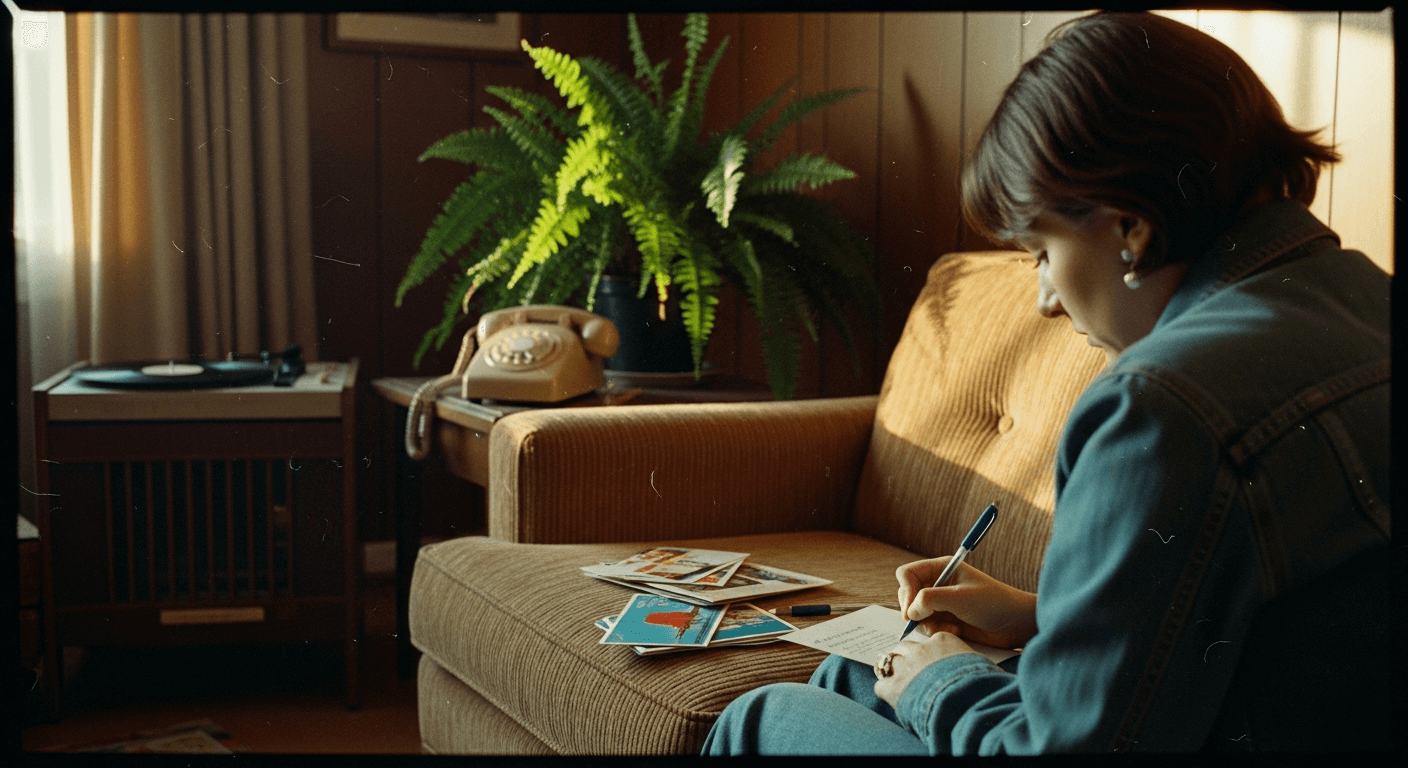
Write a short message or use the available space for a longer catch-up. Both are welcome. If you're struggling to begin, our general postcard-writing guide has more starting points.
When a text, call or letter is the better choice
A postcard is useful for a photo and a message that don't need an immediate response. It is less useful for arranging a lift, confirming a meeting or sharing something the recipient needs to know today.
Keep urgent information in a direct message or call. Don't make a plan that depends on a card arriving on a particular day; postal timing varies. Check the current delivery guidance if timing matters.
The back of a postcard is visible, so use an envelope or another channel for private news. And if what you want is a long conversation, a call may be exactly right. Choosing a card doesn't make those other ways of keeping in touch less thoughtful.
Start with the person and the photo
You can make the decision with three questions:
- Is there someone who might enjoy a physical copy of this photo?
- Is there something I'd like to tell them about it or about how things are going?
- Is the message suitable for an open card and still useful if it arrives later?
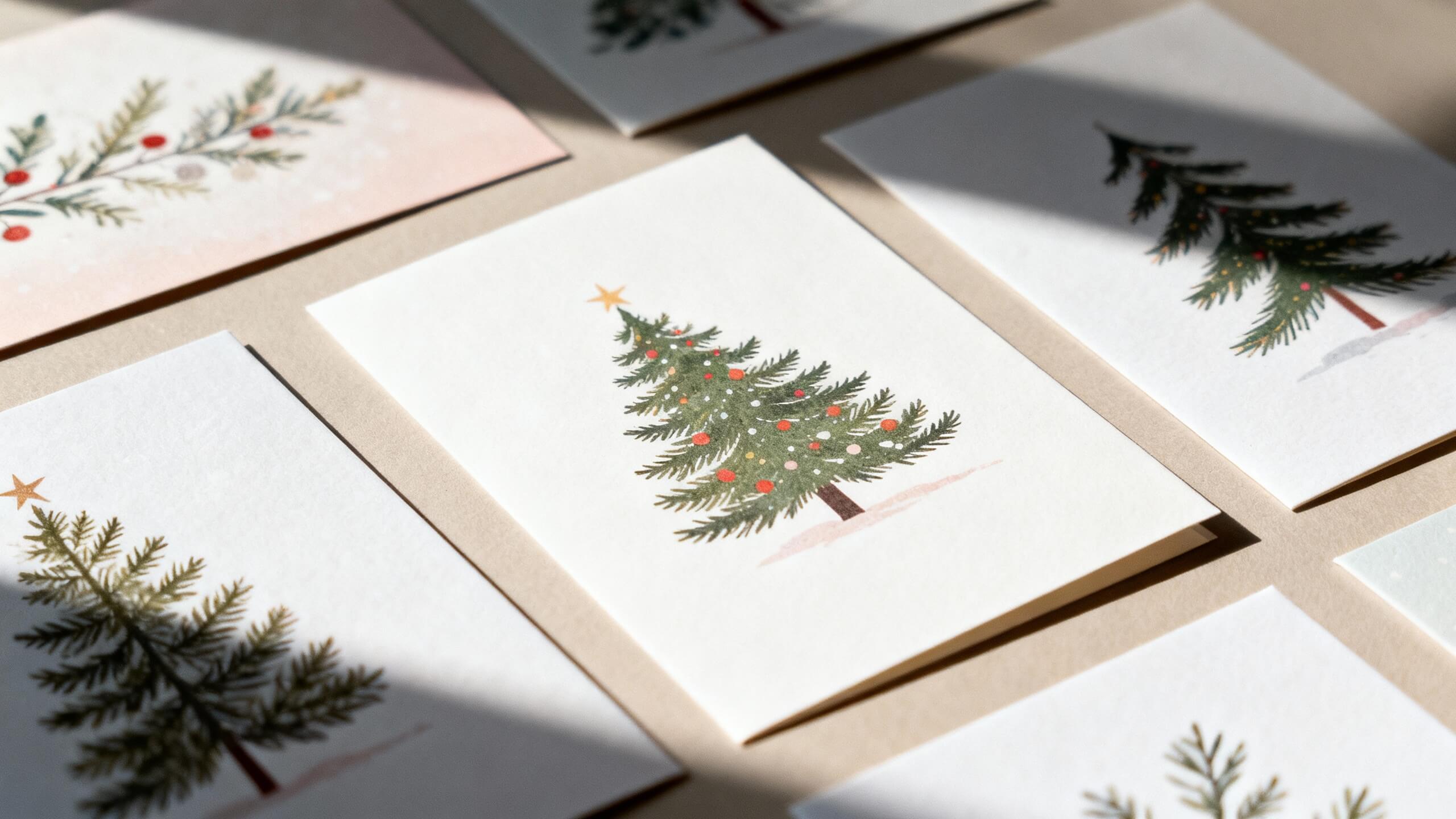
If the answers fit, you already have a reason to send one. You can write a traditional card by hand, have a photo printed to include in a letter, or use an online postcard service. The reason can stay the same whichever method you choose.
With Amora, you can turn your own photo and typed message into a printed postcard. Choose a photo you own or have permission to use, and check the crop before continuing. The result doesn't need to look like a travel advert. It can look like your life.
All personal messages above are invented examples, not customer testimonials.